
Slay the Spire 2 Regent Guide: Best Builds for the Game’s Most Punishing Character

The Regent looks impressive on paper. High damage ceiling, two unique mechanics, the strongest scaling in the game when built right. But when you play him, dying seems inevitable and scaling past Act 2 seems impossible.
He’s not broken. He’s just demanding. The Regent punishes players who draft reactively, split their focus between both archetypes, or spend Stars the moment they have them instead of saving for a burst turn. Get those habits right and he becomes one of the most satisfying characters in the game to pilot.
This guide covers both builds, what each one is actually trying to do, and how to draft toward them from the start.
TL;DR
Forge build: Stack Forge effects on the Sovereign Blade until each swing hits for 50+ damage. One clear win condition, more consistent early, recommended if you’re new to the Regent.
Stars build: Generate Stars through specific cards, stockpile them, then convert the accumulated total into massive burst damage through payoff cards like Radiate and Stardust. Higher ceiling, more flexible drafting, harder to pilot correctly.
The honest take: Forge is where most players should start. It teaches you how Stars work (you still need some Star generation even in a Forge deck) without requiring you to master the hold-vs-spend timing that makes Stars difficult. Once you’ve won a few Forge runs, Stars will make a lot more sense.
Who Is the Regent

An arrogant alien royal carried on a throne by two suffering servants. He’s also the hardest character in STS2 to play well. He runs two separate resource systems: Energy and Stars. His best cards require both to function. His starting relic, Crown of Stars, gives him 3 Stars at the start of every combat.
Quick stats:
- Starting HP: 75
- Starting Relic: Crown of Stars (3 Stars at the start of each combat)
- Unlock requirement: Complete any run as the Silent. You don’t need to win. Selecting Give Up from the pause menu counts, so you can unlock him in minutes if you want immediate access.
He’s one of two new characters introduced in STS2. If you haven’t unlocked him yet, the Necrobinder is the other new addition and worth checking out once you’re comfortable with the Regent. For a broader look at the game itself, our Slay the Spire 2 Early Access review is a good starting point.
Understanding Stars and Forge
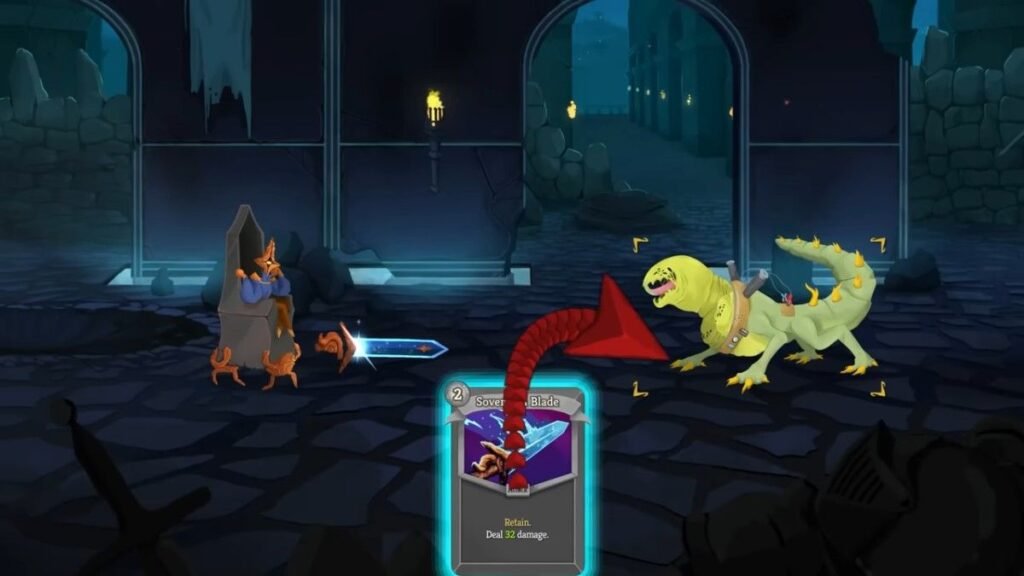
Before getting into the builds, you need to understand both mechanics. A lot of early Regent deaths come from misunderstanding one or the other.
Stars are a secondary resource that works independently from your Energy. Unlike Energy, Stars don’t reset at the end of your turn. They carry over and accumulate. You start each combat with 3 from your starting relic, and specific cards generate more. Many of the Regent’s most powerful cards cost Stars alongside or instead of Energy. The core tension of playing him well is knowing when to spend Stars immediately and when to hold them for a bigger payoff turn.
Forge is a keyword that buffs the Sovereign Blade. The first time you play a Forge card in any combat, the Sovereign Blade is created in your hand. Every subsequent Forge card you play permanently increases the Blade’s damage for the rest of that combat. The Blade costs 2 Energy, has the Retain keyword so it stays in your hand between turns, and starts at 10 base damage. Stack enough Forge and a single swing clears an elite.
The single most important habit to build as a new Regent player: commit to one or the other. Running a Stars deck that also tries to Forge the Sovereign Blade leaves you with a Stars pool too small to power your spenders AND a Forge count too low to make the Blade threatening. Both builds need critical mass. Splitting your card picks between them gives you the worst of both.
Build 1: Forge / Sovereign Blade
This is the build that new Regent players should start with. The win condition is simple: play Forge cards, buff the Sovereign Blade, and swing for massive damage. With Seeking Edge, the Blade hits all enemies instead of one, which turns it into an AoE weapon for multi-enemy rooms. There’s no resource timing to master. Just draft Forge cards, keep your deck lean so you draw the Blade consistently, and watch the damage numbers climb.
The Blade Retains between turns, which means once it’s in your hand, it stays there until you swing it. This is important. You’re not racing to play it immediately. You’re building Forge stacks while the Blade waits, then dropping it at the right moment for a decisive hit.
You still need a small Star generation package in a Forge deck. Several key Forge cards cost Stars, and Falling Star (which you start with) generates Stars while dealing damage. 2-3 Star generators alongside your Forge core is the right balance.
Core cards to prioritise:
- Wrought in War: Your best replacement for starter Strikes. Take it early.
- Bulwark: Defense and Forge in one card.
- Refine Blade: Cheap Forge card that generates energy next turn. Keeps tempo while building the Blade.
- Seeking Edge: Transforms your single-target weapon into AoE.
- Conqueror: Save for big swings on bosses.
- Sword Sage: Pairs with Conqueror for absurd burst turns.
- Summon Forth: Puts the Sovereign Blade into your hand from anywhere. Never worry about not drawing it.
- The Smith: Expensive, but transforms the Blade’s damage in a single play.
Relics to look for:
 Galactic Dust: Every 10 Stars spent gives 10 Block. Solves the Forge deck’s defense gap without needing to draft block cards.
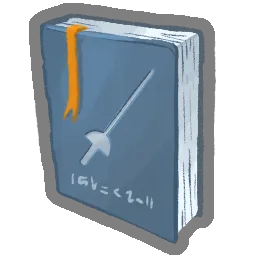 Fencing Manual: Activates the Sovereign Blade at the start of combat automatically. Saves the first Forge card play.
 Lunar Pastry: 1 free Star at end of every turn. Keeps your Star generation ticking without card slots.
 Chemical X: Boosts X-cost Forge cards. Excellent with The Smith.
Key tip: Keep the deck lean. Aim for under 25 cards. You need to draw the Sovereign Blade consistently. A bloated deck buries it. Remove Strikes aggressively at shops and events.
Build 2: Stars Engine
Stars has a higher ceiling than Forge and more flexibility in how you draft, but it demands you understand when to hold Stars vs. when to spend them. The core loop: generate Stars through specific cards, let them accumulate across turns, then convert the stockpile into burst damage on a single payoff turn through cards like Radiate and Stardust.
The most common Stars mistake is spending Stars reactively as soon as you have them. The build doesn’t work that way. Stars are ammunition for a big turn, not a resource to trickle out each round. If you find yourself playing Star-cost cards every turn just to use what you’ve accumulated, you’re likely not building toward a sufficient payoff.
Two sub-paths within Stars:
Burst (spend Stars immediately): Generate and spend Stars on the same turn for reliable, repeatable damage. Cards like Astral Pulse, Gamma Blast, and Cloak of Stars. More consistent but lower ceiling.
Stockpile (save for one massive turn): Hoard Stars across multiple turns using Hidden Cache and Genesis, then unleash through Radiate or Stardust for enormous damage. Higher ceiling, more setup-dependent.
Most runs blend both, but knowing which sub-path your card offerings are pushing you toward helps you draft correctly.
Core cards to prioritise:
- Glow: The best Star generator in the game. Always take, always upgrade.
- Genesis: Helps with Star generation for every turn.
- Hidden Cache: Best setup card for stockpile turns.
- Reflect: Your primary defence card.
- Particle Wall: Lets you stack block on the turn you need it.
- Radiate: Your AoE finisher.
- Stardust: Your single-target payoff for stockpile turns.
- Alignment: Converts Stars into Energy for combo turns. Essential in thin decks.
- Convergence: Ridiculous value for one card.
Relics to look for:
- Galactic Dust: 10 Block every time you spend 10 Stars. Makes stockpile turns both offensive and defensive.
- Chemical X: Increases hit count on X-cost spells. Directly raises Stardust and Radiate output.
- Lunar Pastry: 1 free Star per turn end. Compounds across long fights without using card slots.
 Divine Destiny (Ancient relic from Orobas): Replaces Crown of Stars and gives 6 Stars at combat start instead of 3. One of the best Ancients in the game for the Regent.
Key tip: Deck size matters more in Stars than Forge. Target under 25 cards if you can manage it. A lean deck means you cycle to Genesis and your payoff cards faster. If you happen to assemble both Alignment and Glow upgraded in a very thin deck, you can loop them indefinitely for infinite Stars, but treat that as a bonus rather than something to force.
Common Mistakes
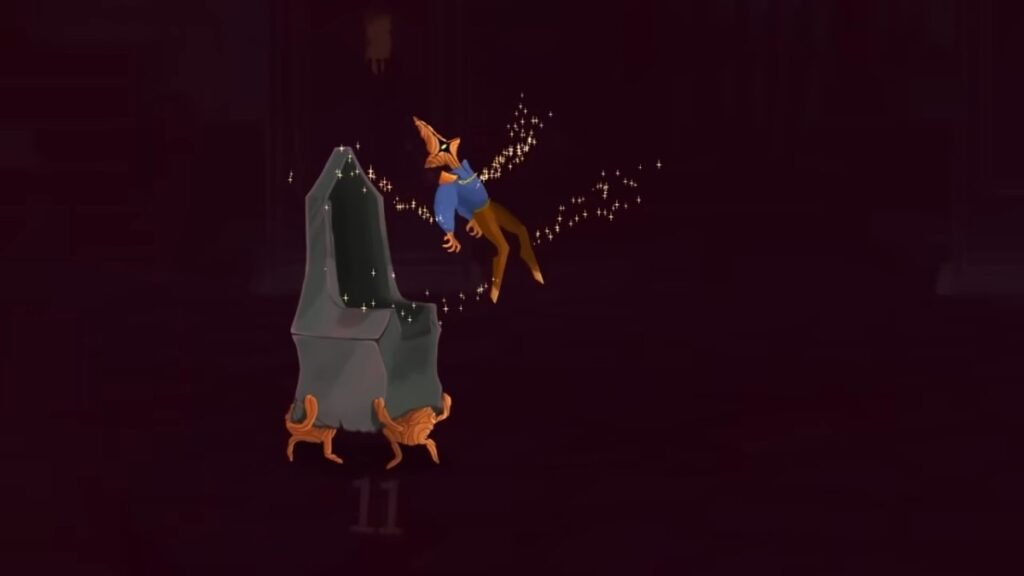
Splitting Forge and Stars evenly. You end up with a half-built Forge deck and a half-built Stars deck that both fail in Act 3. Pick one as your primary and only take a few support cards from the other.
Spending Stars reactively every turn in a Stars build. Stars are burst ammunition. If you spend them as fast as you generate them, you never build toward a payoff turn big enough to close fights quickly. Let them stack intentionally.
Drafting too many pure Star generators before your deck functions. Cards like Hidden Cache do nothing the turn you play them. In the early floors before your engine is running, cards that deal damage immediately without needing Stars already stacked are more valuable. Balance generators with cards that can end fights.
Ignoring deck thinning. The Regent’s power is in playing his best cards repeatedly. Every Strike and Defend still in your deck in Act 2 is diluting your draw and slowing down your engine. Prioritise card removal at shops and events.
Keeping the deck too big in a Stars build. A 30+ Stars deck rarely draws Genesis or Stardust when it needs them. Thin aggressively. The goal is under 25.
-
Slay the Spire 2 Ancients: All 8 and How to Unlock Them
-

Slay the Spire 2 Necrobinder Guide: Best Doom and Soul Builds for Early Access
-

Slay the Spire 2 Review: Better in Every Way (April 2026)
-

Pokémon HOME 4.0.0 Is Out Now: Patch Notes and What Changed
-

Pokemon Pokopia All Habitats: Complete Habitat Dex List
-

Pokemon Pokopia Electricity Guide: How to Power Your Island
-

Pokémon Pokopia Cooking Guide: All 24 Recipes
-

How to Use GameShare in Pokémon Pokopia on Switch 1
-

Helldivers 2 Major Order Update: How the Galactic War Is Changing
-
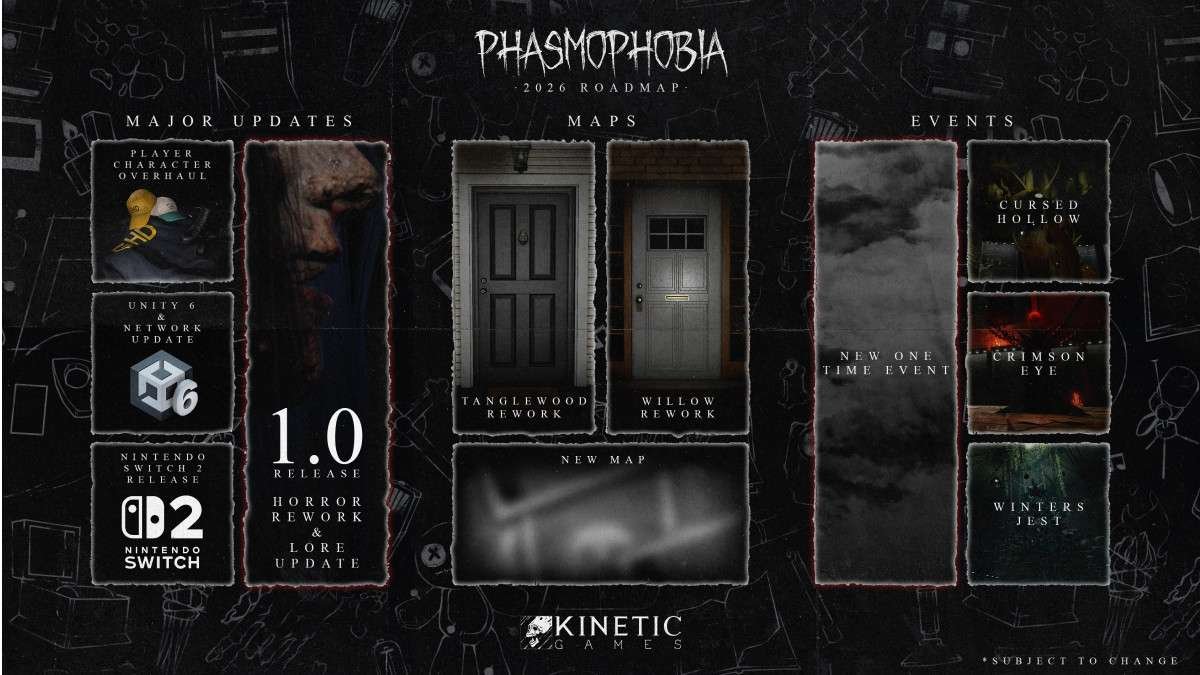
Phasmophobia 2026 Roadmap: New Maps, Ghosts, Events, and System Changes
© Copyright
All game media, screenshots, and assets featured on this page are the property of Megacrit.
The written content on this site was created personally by the Gamestier editorial team.
We do not claim ownership of any third-party media. Reproduction or reposting of our original written content without permission is not allowed.
The copyrights of all game-related media used in our content belong to the original publishers and developers of the game.