
Slay the Spire 2 Necrobinder Guide: Best Doom and Soul Builds for Early Access

The Necrobinder looks approachable at first. You have Osty, a giant reanimated hand that tanks hits before they reach you. Osty soaks damage, revives on his own, and generally keeps you alive in the early floors without you doing much. That part is fine. Most players figure it out within a run or two.
The hard part is scaling. Getting Osty to a point where he’s an actual wall rather than a speed bump takes deliberate investment. Building a Doom deck that actually executes enemies before they kill you takes practice. Getting the Soul engine cycling fast enough to matter in Act 3 takes specific card knowledge. The Necrobinder doesn’t reward players who draft widely. She rewards players who commit to a plan and cut everything that doesn’t serve it.
Once it clicks, she’s one of the most satisfying characters in the roster. But until it clicks, Act 2 is going to be rough.
This guide covers both viable build paths so you know which one to commit to, and when to switch.
TL;DR
- Doom build: Stack the Doom debuff on enemies until their HP drops to or below the count, then watch them die at end of their turn. Control-heavy, slow to get going, very satisfying when it lands. Harder to pull off at high Ascension without a full card unlock.
- Soul build: Generate Soul cards through specific spells, then cycle them for card draw. Stack Haunt for unblockable damage that scales with every Soul played. More consistent, better at high Ascension, easier to pilot from Act 1.
- My honest take: Soul is the safer and more consistent path. Doom is more thematic and can absolutely work, but it needs proper support and is harder to run before you’ve unlocked most of the Necrobinder’s card pool. If you’re new to her, start with Soul. Come back to Doom once you know the character.
Who Is the Necrobinder

She’s a sassy lich necromancer born inside the Spire itself and one of two new characters introduced in STS2 alongside the Regent. If you want context on how both fit into the game as a whole, our Slay the Spire 2 review has that covered. She enters every fight alongside Osty, a giant reanimated skeletal hand that acts as a second health bar. Osty absorbs incoming damage before it hits the Necrobinder directly, which compensates for her low HP pool.
Quick stats worth knowing:
- Starting HP: 66 (52 at Ascension 2+)
- Starting Relic: Bound Phylactery, which summons Osty at the start of each turn
- Unlock requirement: Complete any run as the Regent first
Osty starts each combat with 1 HP and grows through Summon cards. He’s not optional. Even if you’re running a pure Doom or Soul build, keeping Osty alive is part of survival, especially in Act 1 when your deck isn’t online yet.
Understanding Doom Before You Build Around It
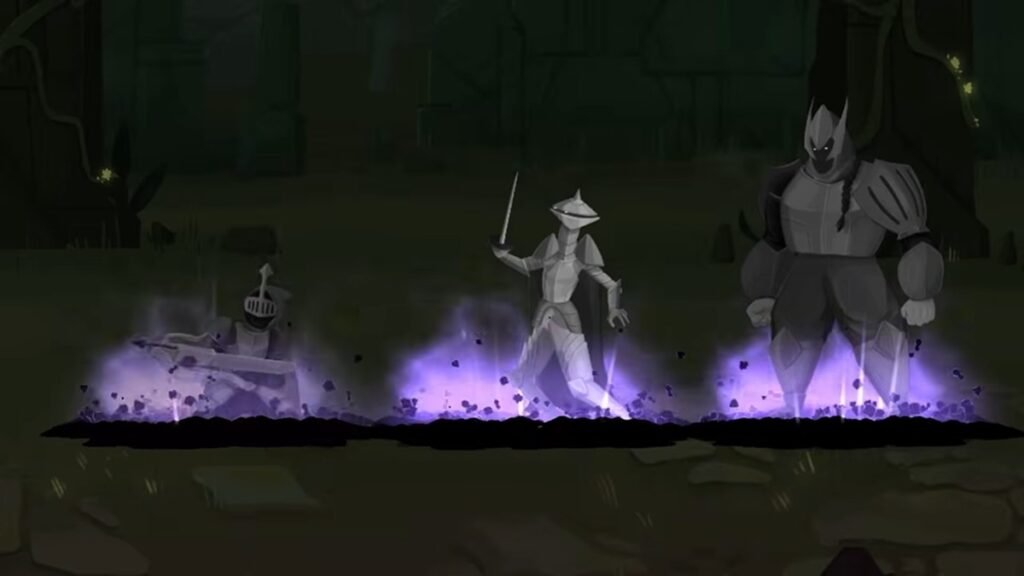
Doom is a debuff you apply to enemies through specific cards. It stacks, it persists between turns, and it doesn’t decay. When an enemy’s current HP drops to or below their total Doom count, they die instantly at the end of their next turn.
A few things that trip players up:
The execution triggers at end of their turn, not yours. This means an enemy can have enough Doom to die and still get one last attack off before the game kills them. You need block for that window. Doom is not a burst mechanic . it’s a pressure mechanic.
Doom bypasses block and damage reduction. Once the execution threshold is met, nothing saves them. This makes Doom particularly brutal against high-armour bosses that would normally be a grind.
Small Doom applications matter more than you think. A card that applies 3 Doom feels weak. But over a long fight, those small stacks add up. Don’t skip low-Doom cards early if you’re committed to the build.
Doom and direct damage work together. Cards like Doom Spike deal damage AND apply Doom simultaneously, which means you’re raising the execution threshold while lowering the enemy’s HP at the same time. These double-dipping cards are the backbone of a Doom deck.
Build 1: Doom/Control
This is the control archetype. You’re not trying to kill enemies fast. You’re applying Doom methodically, stacking block to survive the window before execution, and waiting for the kill condition to hit.
Core cards to prioritize:
- Blight Strike: Both numbers move in your favour with one card: HP goes down, execution threshold goes up.
- Scourge: Keeps the hand moving while building stacks.
- No Escape: The standout card. Exponential against high-HP bosses.
- Deaths Door: Survival card that rewards committing to the archetype.
- Shroud: Turns your kill conditions into defence.
- Deathbringer: Excellent for multi-enemy rooms.
- Times Up: Good finisher against large HP targets if you’ve built up substantial stacks.
Relics to look for:
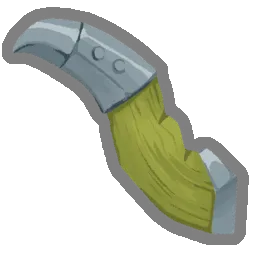 Book Repair Knife: Heals 3 HP every time you kill an enemy with Doom. Sustain in a build that otherwise has none.
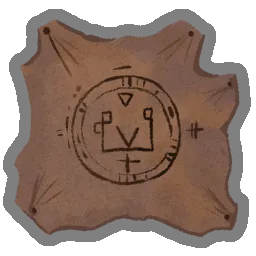 Undying Sigil: Halves damage from enemies that have as much Doom as HP. Directly addresses the “they still get one attack” problem.
 Lantern: Energy is tight in a Doom deck. Anything that gives extra energy is worth prioritising.
Don’t run pure Doom without draw support. A small Soul package is not optional in this build. Even 2-3 Soul generators like Grave Warden give you enough card cycling to find your key Doom cards reliably. Pure Doom with no draw is painfully inconsistent, and this is one of the most common reasons Doom decks fall apart in Act 2.
Who this build is for: Players who like the control fantasy, don’t mind slower fights, and have unlocked a good portion of the Necrobinder’s card pool. If you’re just starting out with her, Doom needs the full toolkit to truly shine. It requires more card unlocks than any other archetype before it becomes consistent, so if your pool is still thin, Soul is the better starting point.
Build 2: Soul Engine
Souls are zero-energy cards that draw two cards when played, then exhaust. They’re generated by specific spells only. You can’t draft them from card rewards directly. The Soul engine is built around generating Souls consistently, cycling through your deck fast, and using power cards like Haunt to convert all that Soul-playing into unblockable damage.
The key insight: Haunt ignores block and debuffs. Every Soul you play while Haunt is active deals 6 damage that cannot be reduced. With two or three Haunts stacked, every Soul is doing 12 to 18 unavoidable damage. This is why Soul builds scale so hard into Act 3.
Core cards to prioritise:
- Grave Warden: The best common in the Necrobinder’s pool. Costs 1 energy, gives 8 block, and generates a Soul. Does everything you need in one card. Always take, always upgrade.
- Capture Spirit: 1 energy, deals damage, generates 3 Souls. Cheap and efficient Soul generation that also keeps pressure on.
- Dirge: Generates X Souls and boosts Osty’s HP. Excellent when you’re about to eat a big hit.
- Borrowed Time: One energy gives you an extra energy next turn. Enables faster cycling and is part of the Borrowed Time + Capture Spirit loop that advanced players use.
- Haunt: The payoff card. 6 unblockable damage per Soul played, stacks with multiple copies.
- Soul Storm: The finisher. Deals damage scaling with how many Souls you’ve played. By Act 3 with a thin deck, this closes fights quickly.
- Death March: Rewards you for all cards drawn via Souls. Another strong late-game payoff.
- Devour Life: Every Soul played boosts Osty’s HP. Turns your draw engine into a defensive snowball.
Relics to look for:
 Funerary Mask: Starts you with 3 free Souls in your draw pile every combat. One of the best relics in the game for this build.
 Dollys Mirror: Copies any card in your deck. Copy Haunt or Grave Warden and the deck scales dramatically.
 Chemical X: Boosts X-cost cards. Excellent if you’re running multiple Dirge copies.
 Razor Tooth /
  Letter Opener: All your Souls count as Skills, so Letter Opener’s damage bonus applies to every one of them.
Keep the deck thin. Under 20 cards if you can manage it. Once you have 2-3 Soul generators, 2-3 block cards, and your Haunt or payoff cards, stop taking more. A bigger deck doesn’t help a Soul engine. It slows down how often you see your best cards.
Surviving Act 1 as the Necrobinder
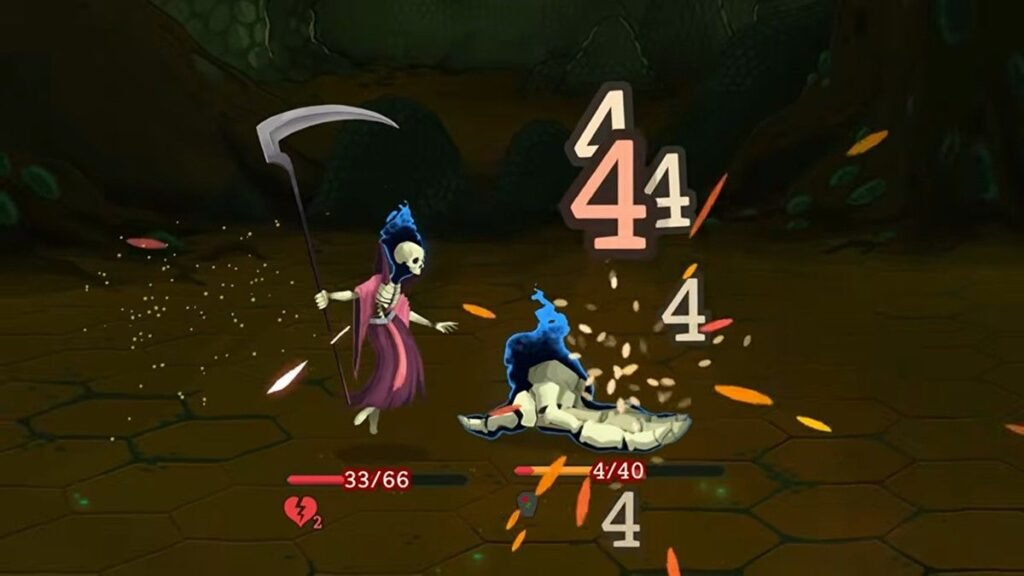
Regardless of which build you’re going for, Act 1 is the danger zone. Your deck isn’t online, Osty is fragile, and you have 66 HP with nothing to fall back on.
A few things that help:
Take attack cards early, even if they don’t fit your eventual build. The Necrobinder’s starter deck is block-heavy and damage-light. You will die to elites in Act 1 if you can’t deal damage. Prioritise cards that do direct damage or apply Doom while dealing damage (like Doom Spike or Blight Strike) over pure Doom applicators.
Osty management is not optional. Even if you’re running a pure Soul or Doom build, Osty is your HP buffer. Keep Dirge or Bodyguard in your first few decks to give Osty a health pool before the first elite fight.
Don’t take too many high-cost cards. The Necrobinder is an engine character. High-cost cards clog your hand in the early turns before your engine runs. This is especially punishing in Act 1 when you’re drawing a lot of dead cards.
Seance and similar removal cards are worth more than extra damage here. Thinning your deck by exhausting junk is how you make sure your actual win conditions show up consistently.
Common Mistakes
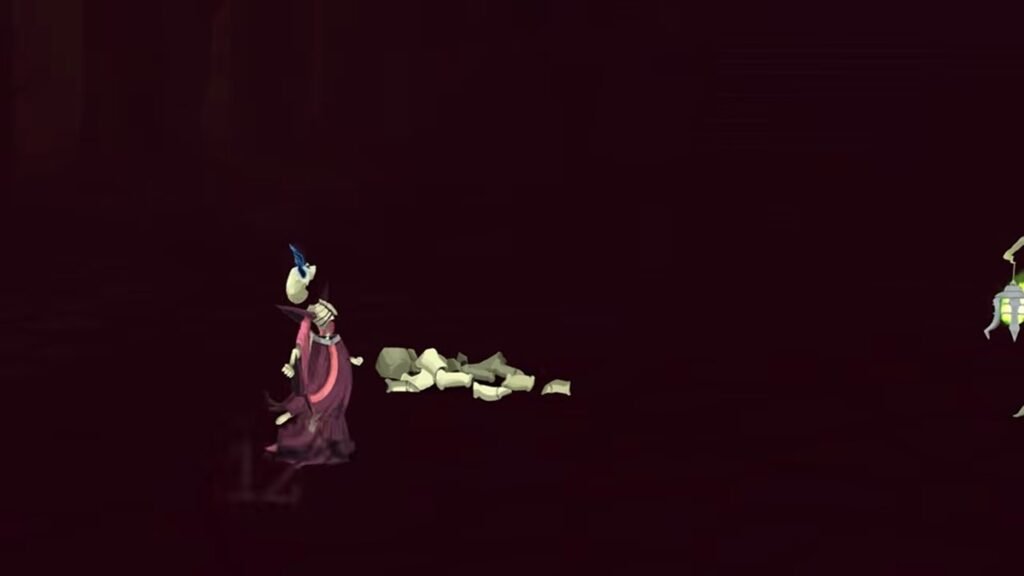
Forcing Doom without draw support. A Doom deck with no Soul generators and no draw will spend most of Act 2 hoping to see its key cards. The two archetypes aren’t enemies. Souls support Doom, they don’t compete with it.
Treating Doom as burst damage. New players often expect to apply Doom and get an immediate kill. The execution happens at the end of the enemy’s turn. You need block for that gap. If you’re playing Doom without a solid block plan, you’re going to eat a lot of final-turn attacks.
Not treating Osty as a block mechanic. When you’re running Doom or Soul, it’s easy to forget that Osty is your primary block layer. He absorbs hits before your HP goes down, which means keeping him healthy is functionally the same as having block. Cards like Dirge that boost his HP mid-fight aren’t defensive luxury picks. They’re your survival tool. In Doom and Soul builds specifically, where you often aren’t building direct Summon synergies, Osty still needs regular HP investment or he dies every other hit and you start eating damage directly.
Trying to hybrid Doom and Soul as separate win conditions. A small Soul splash in a Doom deck is fine for draw. But running two separate payoff packages (full Doom finisher cards AND full Soul finisher cards) produces a deck that does two things inconsistently instead of one thing well.
Skipping card removal. The Necrobinder’s engine runs on thin decks. Every Strike and Defend you’re still carrying in Act 2 is a card that isn’t Grave Warden or Haunt. Prioritise shops and removal events.
-
Slay the Spire 2 Ancients: All 8 and How to Unlock Them
-
Slay the Spire 2 Regent Guide: Best Builds (Early Access)
-
Slay the Spire 2 Review: Better in Every Way (April 2026)
-

Pokémon HOME 4.0.0 Is Out Now: Patch Notes and What Changed
-

Pokemon Pokopia All Habitats: Complete Habitat Dex List
-

Pokemon Pokopia Electricity Guide: How to Power Your Island
-
Pokémon Pokopia Cooking Guide: All 24 Recipes
-

How to Use GameShare in Pokémon Pokopia on Switch 1
-
Helldivers 2 Major Order Update: How the Galactic War Is Changing
-
Phasmophobia 2026 Roadmap: New Maps, Ghosts, Events, and System Changes
© Copyright
All game media, screenshots, and assets featured on this page are the property of Megacrit.
The written content on this site was created personally by the Gamestier editorial team.
We do not claim ownership of any third-party media. Reproduction or reposting of our original written content without permission is not allowed.
The copyrights of all game-related media used in our content belong to the original publishers and developers of the game.