
Monster Hunter Wilds Feb 18 Update: What the Quality Upgrade Actually Fixes
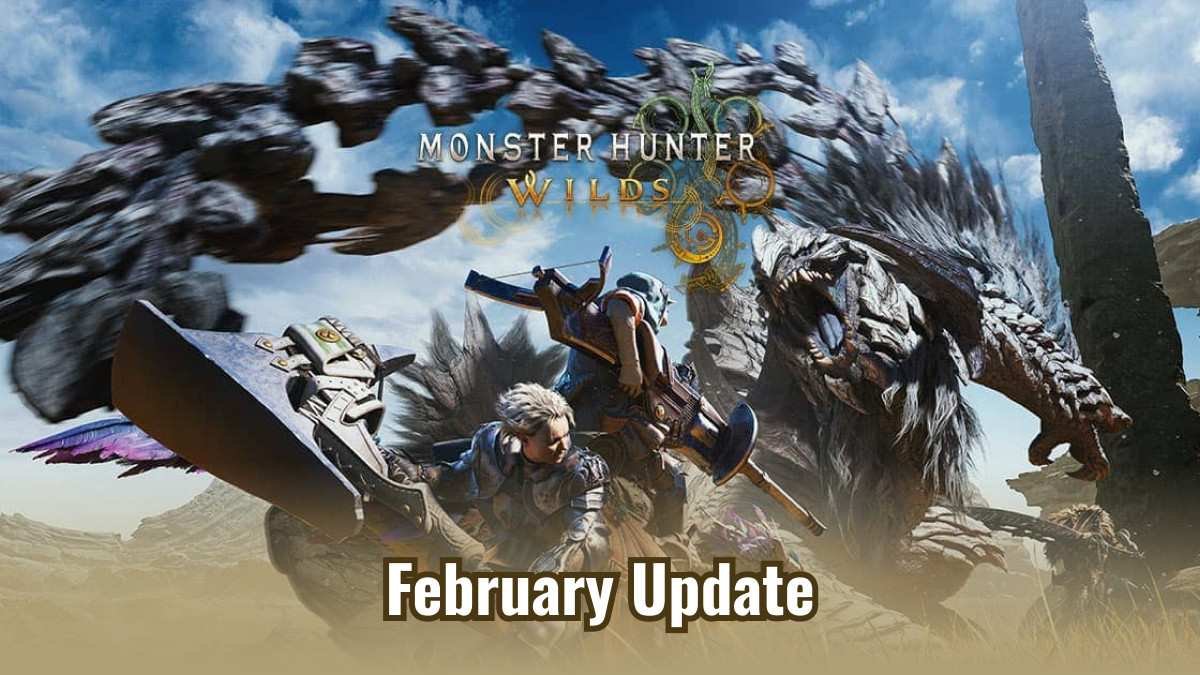
When Monster Hunter Wilds launched, the conversation quickly shifted away from monsters and weapons and toward performance. On PC especially, players ran into frame drops, stuttering, and heavy system load that made the game feel rougher than expected for a flagship Capcom release.
Since then, Capcom has been steadily working through fixes rather than trying to solve everything in one patch. A significant performance update arrived in late January, and another quality-focused update is scheduled for February 18. This upcoming patch is not about adding new content. It is about tightening the technical foundation of the game.
Here is what has already improved, what Capcom says is coming next, and what that realistically means if you are thinking about returning.
What went wrong at launch
At launch, Monster Hunter Wilds pushed hardware hard. Many PC players reported unstable frame rates, inconsistent performance in hubs, and noticeable drops during exploration and combat. Even on capable systems, the game often felt heavier than it needed to be.
The issue was not that Wilds was unplayable for everyone. It was that performance felt unpredictable. For a series built around long hunts and mechanical precision, that unpredictability mattered.
Capcom acknowledged the feedback early and committed to multiple optimization passes rather than a single all-or-nothing fix.
What the January performance update actually improved
The late January update was the first patch where many players noticed tangible gains.
On PC, CPU behavior was one of the biggest changes. Capcom adjusted background processing that was unnecessarily taxing the processor, especially in hubs and menus. This helped smooth out frame pacing in areas that previously dipped for no clear reason.
Texture streaming and memory handling were also refined. High resolution assets were adjusted to reduce excessive VRAM pressure, which helped players running GPUs closer to the minimum recommended specs.
Another fix addressed a background system related to downloadable content checks that was unintentionally increasing CPU load. This was one of those small technical issues that had an outsized impact on performance, and removing it improved stability in social spaces like base camps.
The update also added more granular performance related options, giving PC players better control over how the game balances visual fidelity and system load.
For many players, this patch did not magically turn Wilds into a perfectly optimized game, but it did make it feel noticeably more stable and consistent.
What Capcom says the February 18 update is targeting
The February 18 update builds on that progress rather than replacing it.
Capcom has described this update as a quality and performance pass focused on further reducing GPU strain and improving how the game handles detail at different distances. One of the key areas mentioned is model detail scaling, often referred to as level of detail behavior.
In simple terms, this means objects farther from the player should use simpler models more aggressively. Done well, this reduces rendering cost without noticeably affecting how the game looks during normal play.
Capcom has also indicated that this update includes additional stability improvements across platforms. While PC remains the most discussed version, the intent is for these optimizations to benefit console players as well.
As of now, Capcom has not published full patch notes, so it is important to treat any expectations as informed but provisional rather than guaranteed.
What this likely means in practice
For PC players, the February update is about consistency more than raw numbers. You should not expect dramatic leaps in average frame rate across all hardware. What you should expect is fewer sharp drops, better performance in busy scenes, and less strain during traversal and hub activity.
Systems that were already close to stable after the January patch may see smaller gains. Systems that were still struggling due to GPU load or uneven frame pacing stand to benefit the most.
For console players, the changes are more subtle. Consoles already run within fixed performance targets, but improved stability can reduce stutter during transitions, crowded encounters, and long play sessions.
This is not a visual overhaul. It is a polish pass.
Should you return now or wait
If you stopped playing Wilds shortly after launch because performance felt frustrating, waiting until after February 18 makes sense. That update represents Capcom’s second major optimization step, and it is reasonable to judge the game after it lands.
If you already came back after the January patch and found things noticeably better, the February update should feel like refinement rather than rescue. In that case, there is little downside to playing now and letting the update slot in naturally.
If you never left and performance was acceptable on your system, this update is unlikely to change how you feel about the game. It is aimed at smoothing rough edges, not redefining the experience.
What to watch once the update goes live
After February 18, the most useful signals will come from consistency rather than benchmarks. Pay attention to how the game behaves in hubs, during long hunts, and when moving through dense environments.
Also watch for reports of regressions. Performance patches can occasionally introduce new issues, especially when rendering behavior changes.
If Capcom follows the same pattern as January, any unexpected problems should be addressed quickly.
Conclusion
Monster Hunter Wilds launched with performance problems that were hard to ignore, particularly on PC. Since then, Capcom has taken a measured approach, addressing specific technical issues step by step rather than overpromising a single fix.
The January update delivered real improvements, and the February 18 quality update is designed to continue that trajectory by reducing GPU load and improving stability. For players who left early, this is the first moment where returning feels reasonable rather than hopeful.
Wilds is not being reinvented here. It is being tightened. For a game built around long-term play, that matters.