
Why Are Console Exclusives Quietly Dying
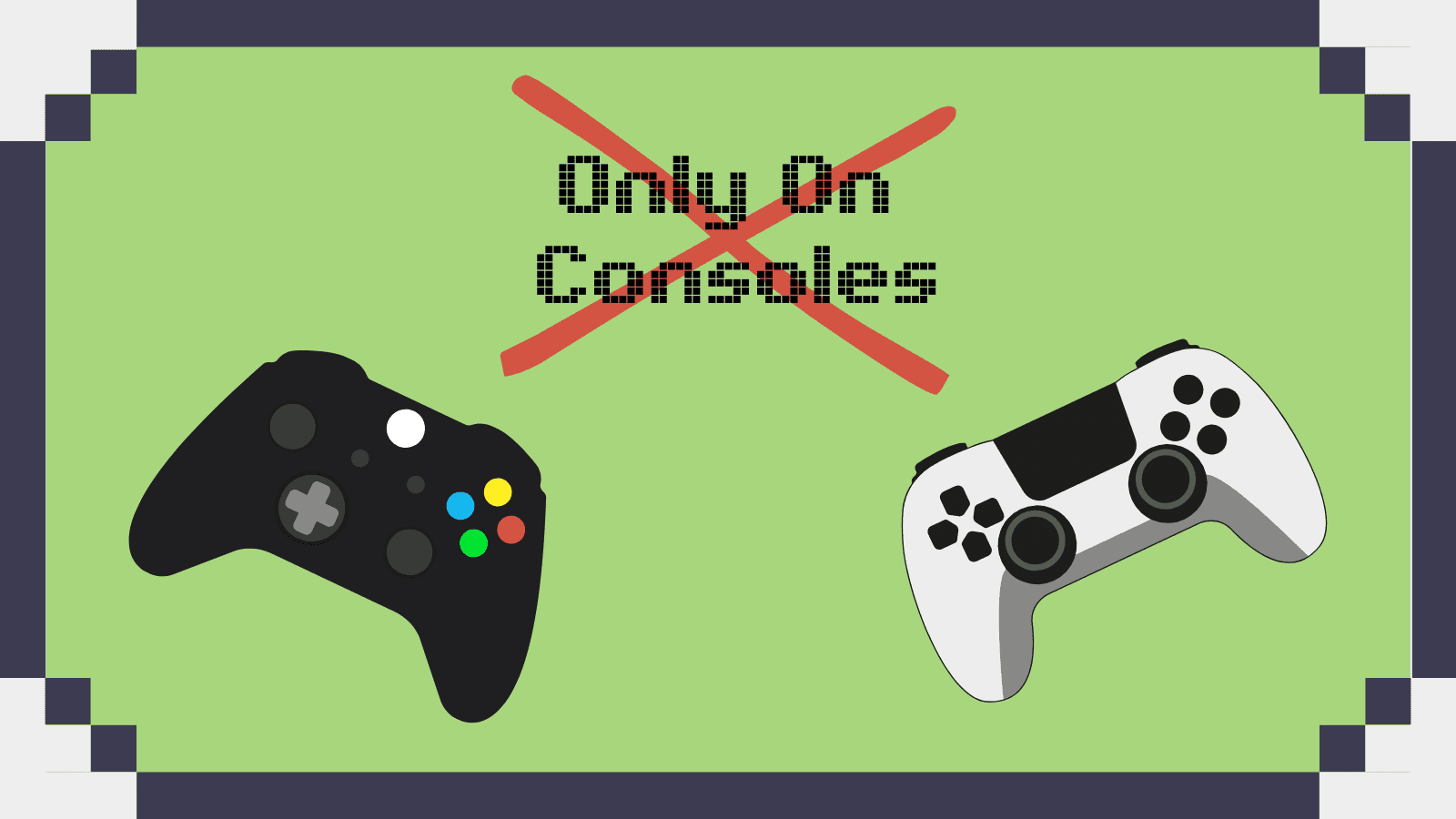
“Console exclusive” is starting to mean “exclusive for a while”, not “only on this box.” As AAA game budgets climb, more publishers are putting games on PS5, Xbox, and PC to reach the biggest audience possible.
Platform holders are now doing what used to be unthinkable. Sony published Helldivers 2 on PS5 and Steam on the same day (February 8, 2024), showing that even first-party style releases can be built for a wider launch.
On the other side, Xbox has been moving former exclusives onto PlayStation. Microsoft announced Gears of War: Reloaded for PS5, Xbox Series X/S, and PC, with a release date of August 26, 2025.
And Forza Horizon 5 was also confirmed for PS5 in Spring 2025, another big sign that “exclusive” is no longer the default setting.
Why AAA Costs Push Games Off The “Exclusive” Track
AAA development is expensive, and big budgets hate small audiences. If a game only ships on one console, it limits sales.
Going multiplatform raises the ceiling and spreads risk. It also helps with multiplayer games, where a bigger player pool improves matchmaking and keeps the game alive longer.
This is why “exclusive” is turning into “exclusive for now.”
Publishers Are Saying The Quiet Part Out Loud
It’s not only platform holders. Third-party publishers are also shifting. Square Enix told investors it will “aggressively pursue a multiplatform strategy” across Nintendo, PlayStation, Xbox, and PC.
That kind of language matters because it signals a business reset, not a one-off port.
Is This A Big Win For Gamers?
Yes. If this trend continues, you’ll have fewer moments where you have to buy a second console just to play one game.
More releases will land on multiple platforms, so you can stick with the system you already own and still play the games everyone is talking about.
It also makes it easier to play with friends, since bigger multiplatform launches usually mean better support for cross-play and shared communities.
In short: less hardware pressure, more freedom to play where you want.
The Big Exception
This doesn’t mean exclusives are dead. It means they’re rarer and more strategic.
Nintendo still has a strong reason to keep big first-party games tied to its hardware. And some exclusives will stick around when a platform funds the game, or when hardware features matter.
But the broad direction is clear: more publishers want fewer walls.